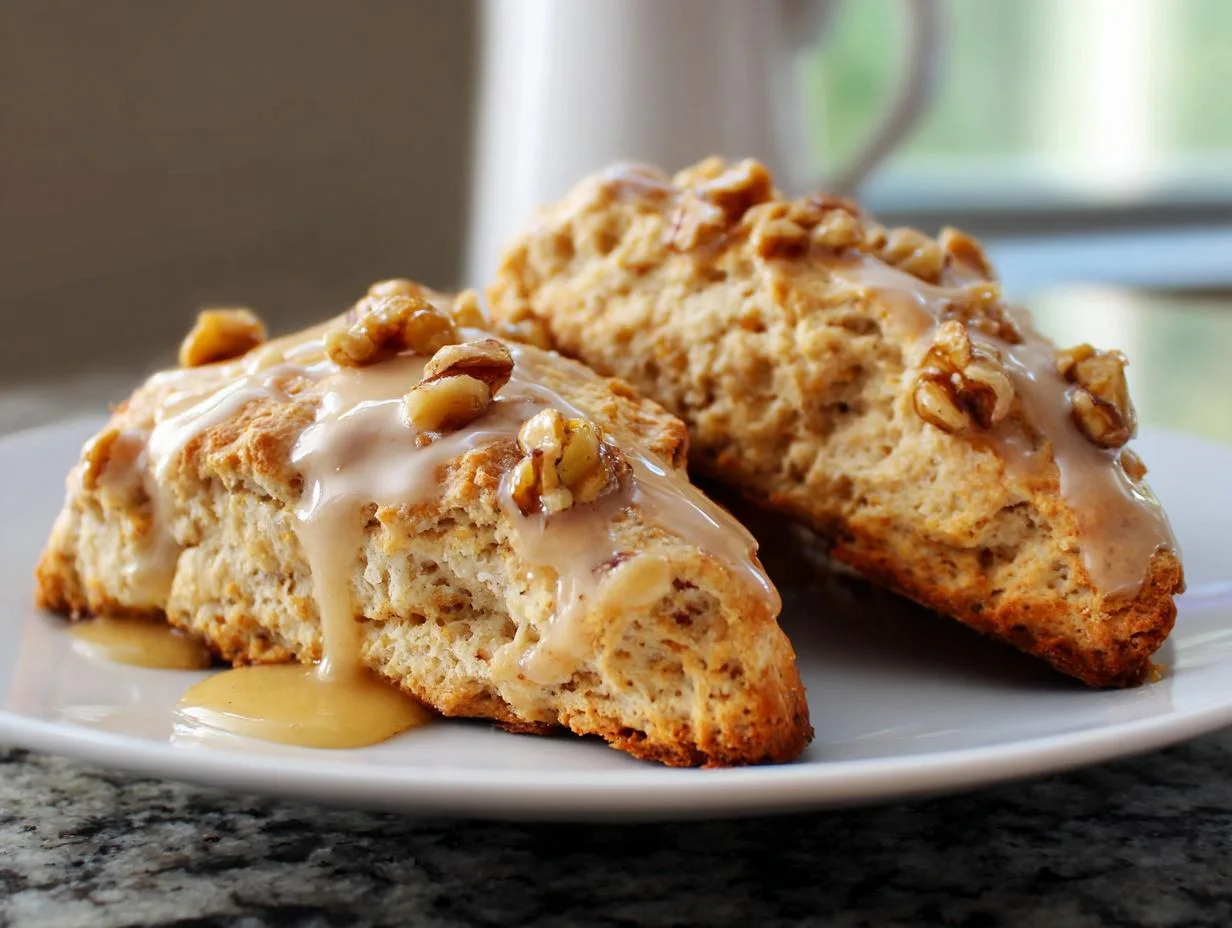
The Secret to Flaky Maple Scones: Cold Butter and a Rich Glaze
Maple scones hold a special place in the hearts of pastry lovers, evoking images of cozy mornings, leisurely brunches, and elegant afternoon teas. There’s something undeniably comforting about a pastry that balances a buttery, flaky exterior with a tender, crumbly interior, all infused with the warm, rich essence of pure maple. While they might seem like a bakery-only treat, the secret to creating truly exceptional homemade maple scones lies in understanding a few key principles – chief among them, the magic of cold butter and the artistry of a rich, sweet glaze. This article will guide you through mastering these delightful pastries, ensuring every bite is a perfect symphony of flavor and texture.
The Allure of Maple Scones: A Comforting Classic
Maple scones are more than just a baked good; they’re an experience. They strike a perfect balance between indulgent and comforting, offering a subtle sweetness that never overwhelms. With their distinctive flavor profile, these tender pastries stand out from traditional fruit scones, bringing a unique warmth that's especially inviting. Perfect for pairing with a hot cup of coffee or a soothing mug of black tea, they serve as an ideal centerpiece for any breakfast or brunch spread, or simply as a delightful pick-me-up any time of day. Their universal appeal makes them a fantastic choice for both everyday enjoyment and special gatherings.
Unlocking Flakiness: The Indispensable Role of Cold Butter
The single most crucial element in achieving truly flaky maple scones is cold butter. This isn't just a baking adage; it's a fundamental scientific principle at play. When butter is kept very cold and cut into small pieces, it remains solid within the flour mixture. As the scones bake in a hot oven, the water content within these tiny pockets of butter rapidly turns into steam. This steam expands, creating tiny air pockets and pushing apart the layers of dough, resulting in that coveted, delicate flakiness. If the butter is warm and melts into the flour too soon, it coats the flour proteins unevenly, preventing steam creation and leading to a denser, more cake-like or even tough texture.
To ensure your butter is optimally cold, consider these tips:
- Dice and Chill: Cut your butter into small, even cubes and place them back in the refrigerator (or even the freezer for 10-15 minutes) before you begin.
- Work Quickly: Minimize handling the butter and dough, as the warmth from your hands can melt the butter. Using a pastry blender is ideal for this reason, or if using your fingers, work efficiently.
- Grate It: For an extra boost of flakiness, some bakers even grate frozen butter directly into the flour mixture. This creates super-fine pieces that distribute evenly and stay very cold.
- Keep Ingredients Cold: Ensure other ingredients like cream and eggs are also chilled, as a cooler dough throughout the process helps maintain the butter’s integrity.
Aim for a mixture where the butter pieces are roughly pea-sized, resembling coarse crumbs. This provides enough structure for the steam to work its magic, transforming simple ingredients into a light, airy treat.
Crafting Your Perfect Maple Scone Dough: Beyond the Basics
Creating the perfect scone dough is a delicate balance of precision and gentle handling. Understanding each step ensures a tender crumb and rich flavor.
The Dry Foundation
Begin by whisking together your all-purpose flour, baking powder, and a touch of kosher salt. Whisking isn't just for mixing; it aerates the flour, contributing to a lighter scone, and ensures that the leavening agent (baking powder) is evenly distributed for a consistent rise.
Incorporating the Cold Butter
As discussed, this is where the magic starts. Add your cold, diced butter to the dry ingredients. Using a pastry cutter, two forks, or very cold fingertips, work the butter into the flour until the mixture resembles coarse crumbs with some pea-sized pieces of butter still visible. Resist the urge to overwork it; this stage is about creating those pockets for flakiness, not fully combining the butter into a paste.
The Wet Blend
In a separate bowl, whisk together your wet ingredients: lightly beaten eggs, heavy cream, and pure maple syrup. The eggs add richness and act as a binder, while heavy cream contributes essential moisture and a tender mouthfeel due to its high-fat content. Pure maple syrup is key here, providing that authentic, warm flavor without artificial notes. Whisk thoroughly to ensure a homogenous mixture.
Combining and Folding
Pour the wet mixture into the dry ingredients. Stir just until combined, being careful not to overmix. The dough should look shaggy and slightly sticky. If you're incorporating optional additions like chopped walnuts or pecans – which add a wonderful texture and nutty depth – gently fold them in at this stage. Overmixing develops gluten, which is desirable in bread but will lead to tough, chewy scones rather than light, tender ones. For a deeper dive into replicating the signature tender crumb and rich flavor profile often associated with beloved culinary figures, explore Master Ina Garten's Maple Scones: Buttery, Flaky, & Glazed Perfection.
Shaping with Care
Turn the dough out onto a lightly floured surface. Gently knead it just a few times, enough to bring it together into a cohesive mass. Pat the dough into a ¾-inch thick round. From here, you can cut it into 8 wedges, or use a round cutter for a more traditional scone shape. Place the cut scones onto a parchment-lined baking sheet. Before baking, brush the tops with an egg wash (typically an egg beaten with a tablespoon of milk) for a beautiful golden-brown finish and a slight shine.
The Golden Touch: Mastering Your Maple Glaze
No maple scone is complete without a luscious maple glaze. This final flourish adds an extra layer of sweetness and intensifies the maple flavor, truly taking your homemade creation over the top. The beauty of a good glaze lies in its balance and consistency.
Ingredients for Perfection
- Confectioners' Sugar: The finely milled sugar ensures a smooth, lump-free glaze.
- Pure Maple Syrup: This is non-negotiable for authentic maple flavor. Avoid imitation syrups.
- Maple Extract: A small amount of pure maple extract can significantly boost the overall maple flavor without adding excessive liquid or sweetness, ensuring the scone's inherent flavor isn't drowned out.
- Milk or Cream: Used sparingly to thin the glaze to the desired pourable consistency. Start with a small amount and add more drops as needed.
Achieving the Ideal Consistency
Whisk all glaze ingredients together in a small bowl. The goal is a glaze that is thick enough to coat the back of a spoon but still pourable. If it's too thick, add more milk or cream a teaspoon at a time. If it's too thin, sift in a little more confectioners' sugar. Apply the glaze to slightly cooled scones; applying it to hot scones will cause it to melt and run off, while applying it to completely cold scones might make it difficult to spread evenly. Let the glazed scones rest for 10-15 minutes to allow the glaze to set before serving.
Baking, Serving, and Savoring Your Homemade Maple Scones
The final steps transform your carefully crafted dough into golden, irresistible maple scones.
Baking for Perfection
Preheat your oven to 400°F (200°C). A high initial temperature helps the scones rise quickly, creating a lighter texture. Bake for 18-20 minutes, or until the tops are beautifully golden brown and firm to the touch. The egg wash applied earlier will ensure a rich, inviting color. Once baked, transfer the scones to a wire rack to cool slightly before glazing.
Serving Suggestions Beyond the Ordinary
While maple scones are perfect on their own, or with a simple cup of coffee or tea, they truly shine when paired thoughtfully:
- Classic Cream Pairings: A dollop of whipped cream or traditional clotted cream elevates the experience.
- Fresh Fruit: Fresh berries or sliced apples provide a lovely tart counterpoint to the scones' sweetness.
- Hearty Breakfast Companions: For a more substantial meal, serve alongside scrambled eggs, an omelet, or classic bacon and sausage links.
- Spiced Butters: Offer maple butter or cinnamon butter for an extra layer of flavor.
- Yogurt and Honey: For a lighter, healthier option, pair with Greek yogurt drizzled with honey.
If you're looking for an accessible and rewarding baking project, our guide to Easy Maple Scones: Your Guide to Buttery, Glazed Brunch Perfection offers simplified steps for delicious results.
Tips for Scone Success & Make-Ahead Magic
- Don't Overmix: This bears repeating! It’s the single biggest cause of tough scones.
- Keep Everything Cold: Not just the butter, but your mixing bowl, your hands, and even the cream can benefit from being well-chilled.
- Even Thickness: Patting your dough to an even thickness ensures all your scones bake uniformly.
- Make-Ahead Options: You can prepare the scone dough, cut out the wedges, and freeze them unbaked on a parchment-lined tray. Once frozen solid, transfer them to a freezer bag. When ready to bake, place them directly from the freezer onto a baking sheet, brush with egg wash, and add an extra 5-10 minutes to the baking time. Alternatively, baked scones can be frozen and gently reheated.
- Storage: Store leftover scones in an airtight container at room temperature for 1-2 days, or in the refrigerator for up to 4 days. Reheat gently in a warm oven or microwave for the best texture.
Mastering the art of maple scones is a truly rewarding endeavor, transforming simple ingredients into a sophisticated yet comforting treat. By understanding the critical role of cold butter in achieving that coveted flaky texture, handling your dough with care, and perfecting a luscious maple glaze, you’ll consistently bake scones that rival any bakery. Whether for a special occasion or a quiet moment of indulgence, these homemade maple scones are sure to impress and delight, proving that the secret to their perfection lies in attention to detail and a passion for pure maple flavor.
